Will

Will
At FCB Law, we'll tell you upfront if you need a Will or another Estate planning solution. Wills in many case can be avoided, unless there is disinheritance or complicated behests. Will should always be drafted with legal advice so that the Will is compliant with Philippine succession law and can actually be used.
WHY DO YOU NEED A WILL IN THE PHILIPPINES?

DISINHERIT
Disinheriting a Compulsory Heir is only allowed on limited legal grounds and a lawyer should be consulted for guidance.

ADD AN HEIR, INCREASE A SHARE
You can add a partner as an Heir or increase an heir's only through a valid Will. This will also follow strict rules so you will need a lawyer.
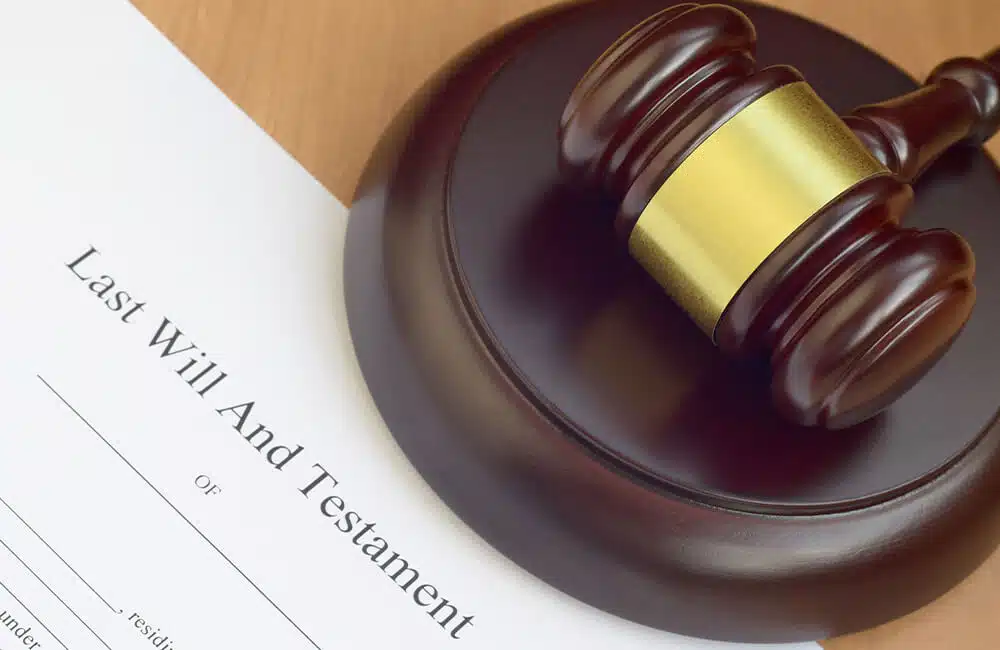
ENSURE THE WILL IS VALID
At FCB Law. we'll ensure that the Will is drafted as per the Laws on Succession to ensure that your will can be used.

COMPLICATED BEHESTS
A will is needed when there are many assets or you have specific wishes as otherwise the default rules apply.
Consult a Lawyer
Property Documents
Family Document
List of wishes


PHILIPPINE WILLS
IN  STEPS
STEPS




Read More
FREQUENTLY ASKED QUESTIONS
A will is a legal document that allows a person, known as the testator, to express their wishes regarding the distribution of their property and assets after their death. In the Philippines, there are two types of wills: holographic and notarial.
Holographic Will: A holographic will is handwritten, dated, and signed by the testator. It does not require any witnesses. However, during probate, at least three witnesses must attest that the handwriting, signature, and date are truly the testator’s.
Notarial Will: A notarial will is a typewritten document that is signed by the testator and at least three credible witnesses. The testator and witnesses must sign every page of the will, and the witnesses must also sign an acknowledgment before a notary public.
For a valid will in the Philippines, the following requirements must be met:
• The testator must be at least 18 years old and of sound mind at the time of the will’s execution.
•The will must be either holographic or notarial, following the rules for each type of will mentioned above.
•The will must not have any provisions that are contrary to law, morals, good customs, public order, or public policy.
An executor is the person responsible for managing the testator’s estate and carrying out the provisions of the will. In choosing an executor, consider someone who is trustworthy, capable, and willing to handle the responsibilities involved in administering an estate.
Under Philippine law, legitimate children and surviving spouses are entitled to receive compulsory shares of the estate, known as legitime. This means that a testator cannot disinherit their spouse or legitimate children completely, except in cases where the law allows for disinheritance due to just causes specified in the Civil Code.
Yes, a testator can change or revoke their will at any time before their death. To change a will, the testator can create a new will that expressly revokes the previous one or can create an amendment to the existing will.
If a person dies without a will or with an invalid will, their estate will be subject to intestate succession. In this case, the court will appoint an administrator to manage the estate, and the assets will be distributed according to the rules of intestate succession as provided by the Philippine Civil Code.