Income Tax Assessments in the Philippines: What They Mean, Why They Happen, and How to Respond Properly
Income Tax Assessments in the Philippines: What They Mean, Why They Happen, and How to Respond Properly
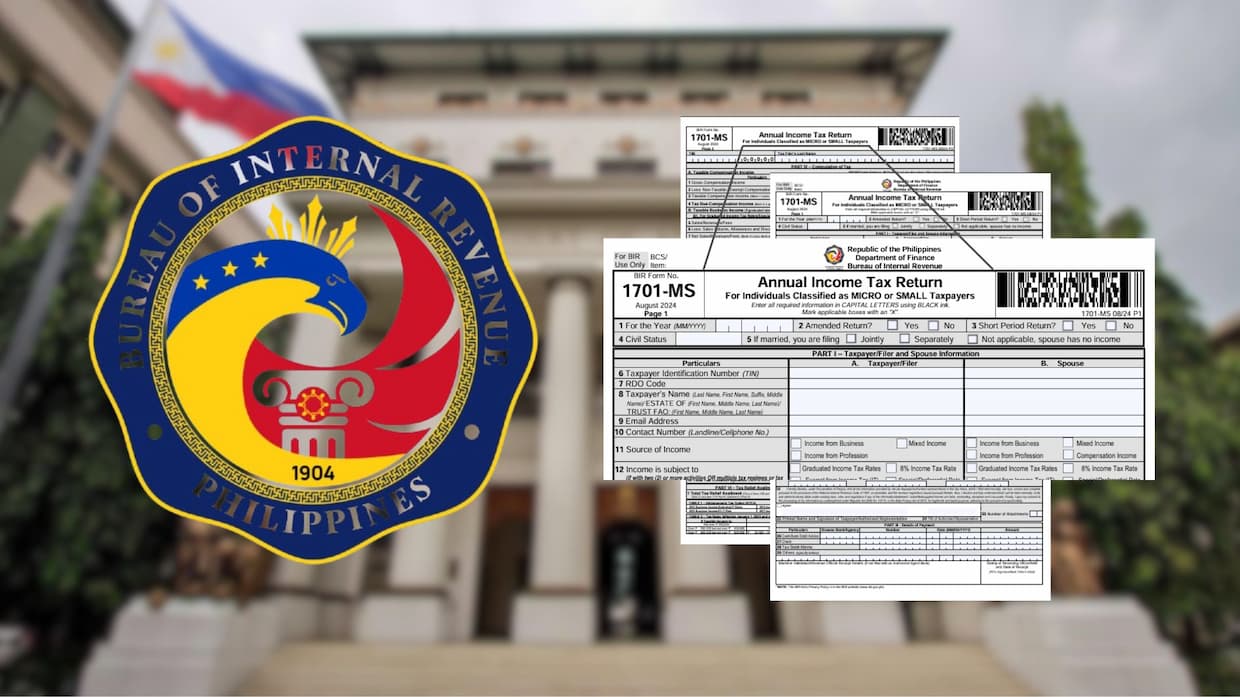

A PRACTICAL VIEW FOR SOMEONE WHO JUST RECEIVED AN INCOME TAX ASSESSMENT
Receiving a BIR income tax assessment can feel overwhelming.
The language is technical, the deadlines are strict, and the consequences of inaction are serious.
Many taxpayers are uncertain whether the findings are correct, whether the notices were properly served, or what documents should be reviewed first.
This uncertainty is normal — and manageable — once the process is broken down into clear steps.
Most assessments arise from mismatches in reporting, disallowed expenses, withholding tax issues, or incomplete documentation.
While these issues can lead to substantial proposed liabilities, many are fixable.
Some assessments are reduced dramatically after reconciliation, while others are voided entirely because the BIR did not follow required procedures or failed to specify the facts and law behind the deficiency tax.
The key is not to panic or ignore the notice. The BIR process has rules, the taxpayer has rights, and there are practical actions you can take to protect yourself.
Understanding the structure of an assessment—and how to respond with evidence and within deadlines—is what allows businesses to manage the situation properly and avoid unnecessary penalties.

Send us an email with the details for
personalized recommendations or schedule a consulation if needed.
An income tax assessment is the BIR’s formal determination that you owe additional income tax for a specific year. It becomes enforceable only after the BIR issues a valid Final Assessment Notice (FAN) and Formal Letter of Demand (FLD) and serves them properly.
Important notes and examples:
- Assessments often arise from underreported revenue, unreconciled books, or disallowed expenses.
- A FAN must contain both facts and legal basis; otherwise, it can be disputed.
- Assessments issued without a valid LOA or without proper service can be considered void.
Action: Gather the assessment documents (NIC, PAN, FAN, FLD) and place them in order by date so you can see the timeline clearly.
The BIR’s authority to examine records and issue assessments comes from specific statutory provisions and implementing regulations.
Key legal sources and notes:
- NIRC Sec. 6(A): Allows the BIR to assess taxes and examine books.
- NIRC Sec. 203: General three-year period within which the BIR must issue an assessment.
- NIRC Sec. 222(a): Ten-year assessment period if the return is false or fraudulent with intent to evade tax.
- NIRC Sec. 228 & RR 12-99: Require the FAN to state the facts and law supporting the assessment.
- RR 18-2013: Implements the rules for filing protests and submitting documents.
- LOA rules (RMO 6-2023): Define how audits must start and how examiners must be authorized.
Action: Check whether your FAN cites specific facts and the exact law or regulation allegedly violated.
For legal basis review, email admin@lawyerphilippines.org.
If unanswered, a FAN becomes final, executory, and demandable, giving the BIR authority to enforce collection.
Consequences and risks:
- Bank garnishment under Section 205.
- Levy on property and tax lien enforcement.
- 25% surcharge (late filing/payment) or 50% surcharge (fraud allegations).
- 12% interest per annum under Section 249.
- Possible criminal referral in cases where fraud indicators exist.
Action: Check the date of receipt of your FAN and count 30 days; do not let the deadline lapse.
The process follows a defined sequence of notices and deadlines that both the BIR and the taxpayer must follow.
Process reminders:
- LOA: Must be valid and properly issued to start the audit.
- Notice of Informal Conference (NIC): Optional but increasingly used to raise initial findings.
- Pre-Assessment Notice (PAN): Gives the taxpayer a chance to respond before the FAN.
- FAN/FLD: The enforceable demand for payment.
- Protest period:
- 30 days to file a protest (reconsideration or reinvestigation).
- 60 days to submit supporting documents after the protest.
Action: Create a simple timeline of all notices received so you can verify whether the BIR followed due process.
Strong evidence is essential in resolving disputed findings and supporting a protest.
Common evidence issues and how to handle them:
- Missing receipts or invoices: Reconstruct using bank statements, contracts, delivery receipts.
- Disallowed expenses: Gather proof that the expense is ordinary, necessary, and connected to business.
- Underdeclared revenue: Prepare reconciliation schedules between books, AFS, and tax returns.
- Withholding tax exposures: Match remittances with certificates and submissions (1601-EQ, 1604-F, etc.).
- Documentation gaps: Identify missing documents early so they can be retrieved or reconstructed.
Action: Prepare a reconciliation between your AFS, books, and ITR to identify discrepancies before submitting documents.
Court decisions clarify how assessments must be issued and what defects can invalidate them.
Key cases and lessons:
- CIR v. Meralco (G.R. No. 181459, June 9, 2014):
The FAN must specify facts and law. Assessments lacking detail may be void. - Metro Star Superama v. CIR (G.R. No. 185371, Dec. 8, 2010):
Proper service of notices is essential; incorrect service violates due process. - Medicard v. CIR (G.R. No. 222743, Apr. 5, 2017):
A valid LOA is necessary; assessments from audits without valid LOAs are void. - Philippine Journalists v. CIR (G.R. No. 162852, Dec. 16, 2004):
Invalid or defective waivers can make assessments time-barred.
Action: Compare your notices with the rulings above to check if the same defects appear in your case.
Income tax assessments require careful review of notices, deadlines, evidence, and procedural requirements. Acting early allows you to identify defects, prepare documents, and reduce or cancel findings.
For an in-depth assessment review, email admin@lawyerphilippines.org.