Marriage Without a Marriage Ceremony in the Philippines: When Is a “Marriage” Null and Void?
Marriage Without a Marriage Ceremony in the Philippines: When Is a “Marriage” Null and Void?
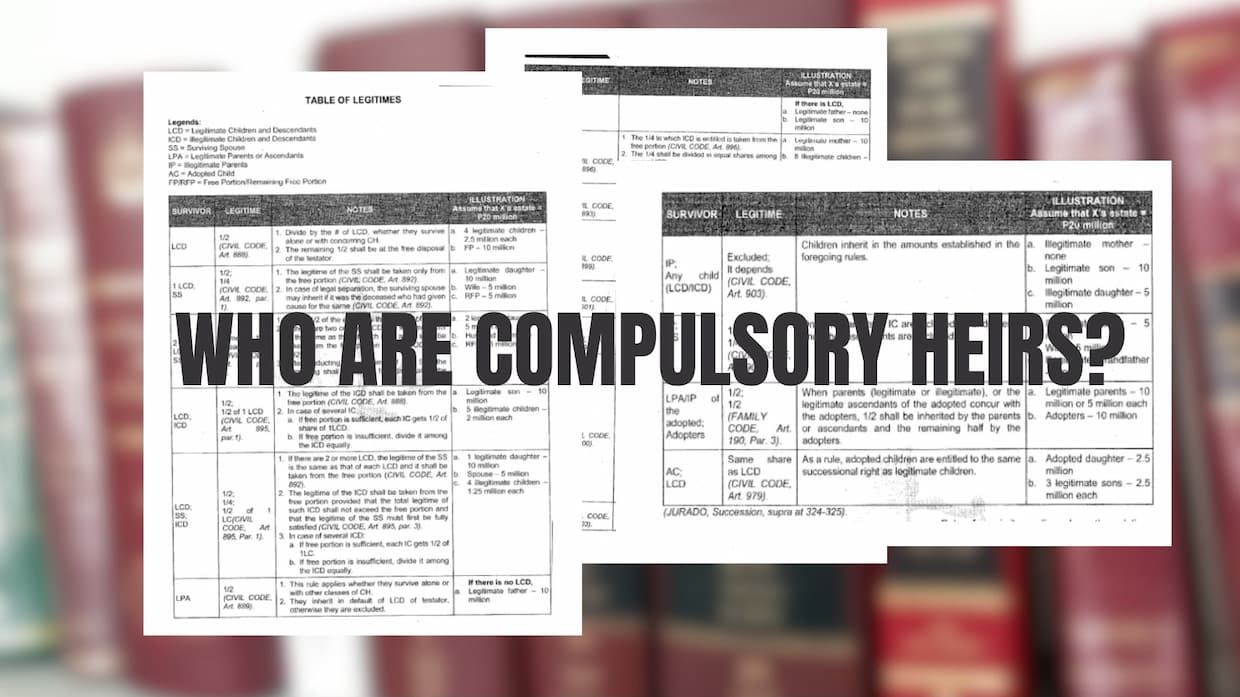

A marriage in the Philippines is more than a signed document—it is a legal act that requires a proper ceremony before a duly authorized solemnizing officer.
Without this essential element, the law considers the union invalid from the very beginning.
Many people mistakenly believe that signing a marriage contract alone is enough to create a lawful marriage, but Philippine law is explicit: there must be an actual ceremony where both parties personally declare that they take each other as husband and wife.
In this article, we discuss what happens when a marriage takes place without a valid ceremony, why such a marriage is considered null and void, and the legal consequences that follow.
This is especially important for individuals who later discover that their “marriage” may not have met the legal requirements, as the absence of a proper ceremony can affect issues like remarriage, property relations, and legal status.

Send us an email with the details for
personalized recommendations or schedule a consulation if needed.
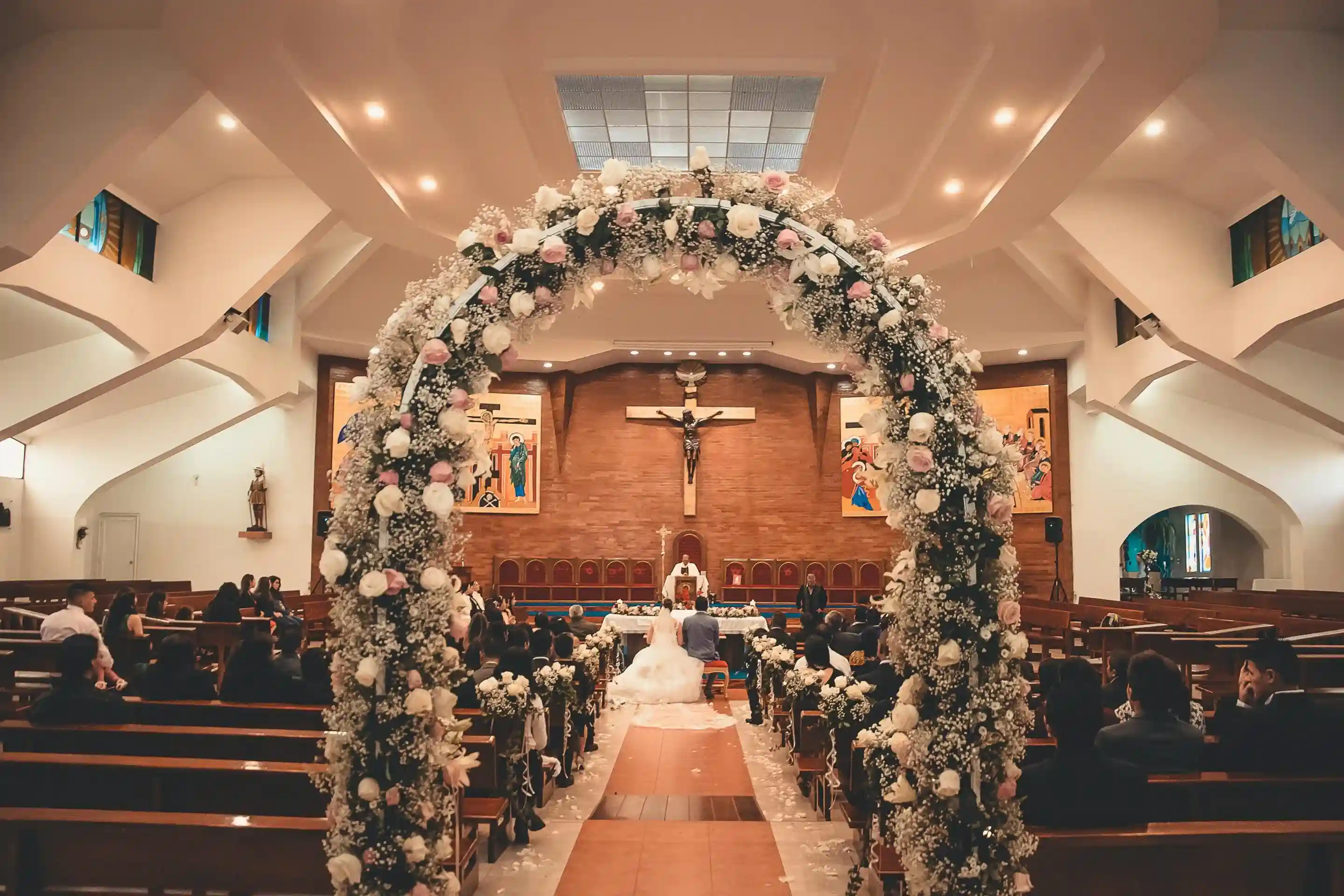
PSA shows marriage but without ceremony it is void and needs court nullity.
It is more common than people think for people to have a PSA marriage certificate even when there was no ceremony, and you are “married” on paper even though you never walked down an aisle, never stood before a judge or priest, and never exchanged vows.
Sometimes a fixer, a relative, or even a partner processes papers and asks you to “just sign” documents, without explaining that these will be registered as a marriage.
Other times, there is talk of a “non-appearance wedding” where nobody actually appears before a solemnizing officer, but a certificate somehow ends up in the civil registry.
From the outside, this looks like a valid marriage: there is a marriage certificate, your name appears in PSA records, and agencies treat you as legally married.
But under Philippine law, a real marriage requires a real ceremony, with specific elements that must be present.
When those elements are missing, the supposed “marriage” is void from the very beginning – even though you still have to go through a court case to clear your status.
If you are in this situation, you are not alone.
The key is to understand what evidence you will need to correct your civil status and protect yourself from problems in the future, including bigamy, property disputes, and inheritance issues.
- Typical stories we see in practice:
- A person is told they are “married by non-appearance” after simply signing documents at home or in an office.
- A marriage certificate exists, but no judge, mayor, priest, or witnesses ever saw any vows.
- A partner abroad claims a proxy marriage was done in a foreign jurisdiction while the Filipino spouse was physically in the Philippines. This is a special case however, as some of these proxy marriages are recognized and some are not.
- Years later, someone wants to remarry but discovers a PSA record for a “wedding” they do not even remember.
Action: If you have discovered a PSA marriage or signed “marriage papers” without a real wedding, show the copy to a family-law practitioner before to remove roadblocks to remarriage or immigration.
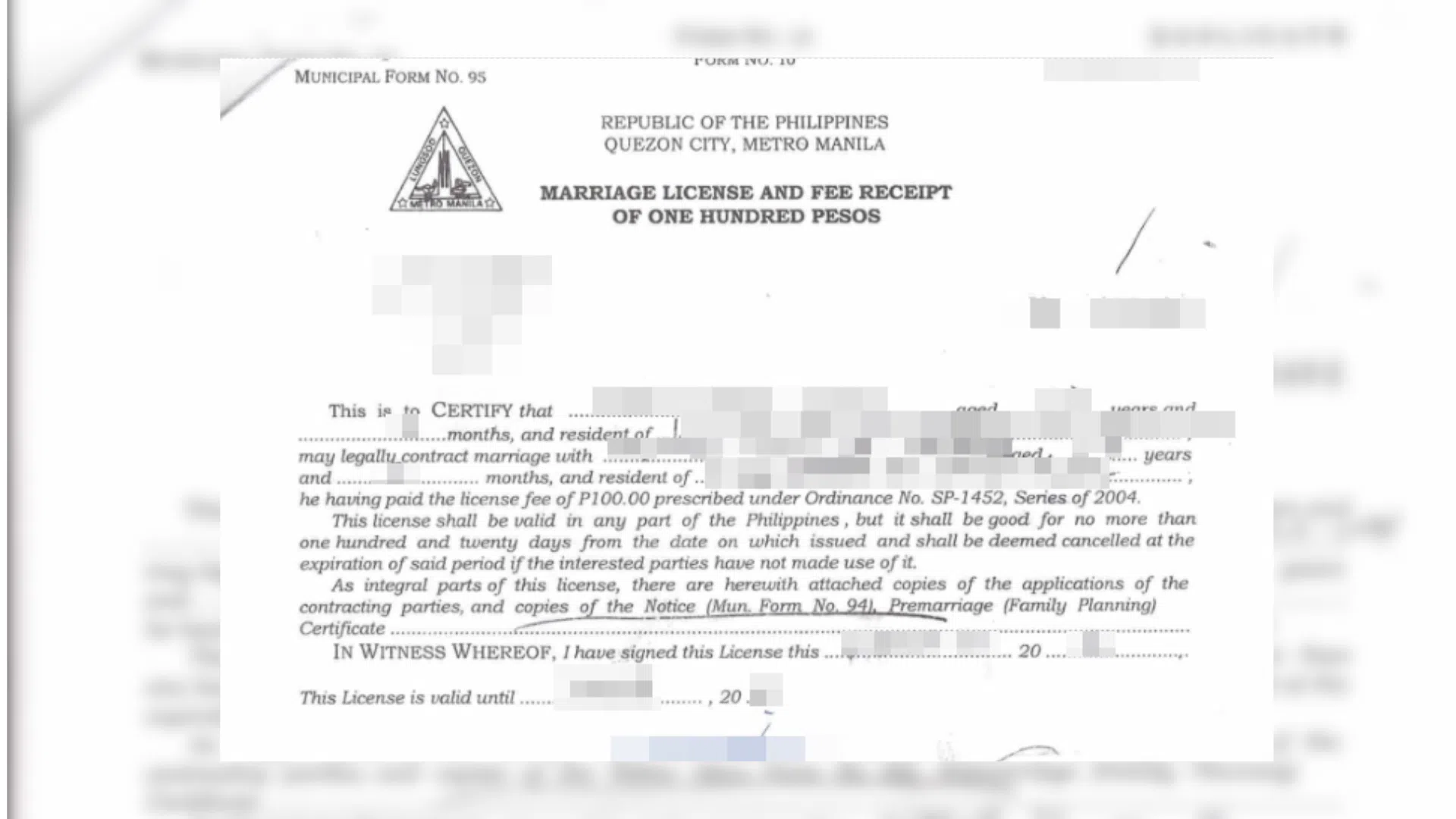
Marriage in Philippines requires legal capacity, consent, authorized officer, witnesses, and valid ceremony.
The Family Code lays down both essential and formal requisites of marriage.
The essential requisites include legal capacity of a man and a woman and consent freely given in the presence of the solemnizing officer.
The formal requisites include:
- (1) authority of the solemnizing officer,
- (2) a valid marriage license (with specific statutory exceptions), and
- (3) a marriage ceremony where both parties personally appear before the solemnizing officer and declare that they take each other as husband and wife in the presence of at least two witnesses of legal age.
There is no required religious rite or special form of words.
What the law insists on is the reality of the ceremony: personal appearance of both parties, their conscious and free consent, and their declaration in front of the solemnizing officer and witnesses.
Without this, the marriage lacks both the formal requisite of a ceremony, and in many cases, the essential requisite of consent given in the presence of the officer. (Scribd)
- Key legal elements of a valid ceremony:
- Both would-be spouses personally appear before the solemnizing officer (no purely paper-only or secret backroom “ceremony”).
- Each clearly declares that they are taking the other as husband or wife, with understanding of what marriage implies.
- At least two adult witnesses are present during this declaration.
- The solemnizing officer is legally authorized (judge, mayor, properly authorized priest/minister, ship captain, etc., within the limits of their authority).
- The ceremony and resulting marriage certificate are performed and recorded in accordance with law, except in narrow emergency or remote-location exceptions expressly allowed by the Family Code.
PSA marriage certificate presumed valid until annulled or nullify
As a general rule, yes: the Family Code states that the absence of any essential or formal requisite (including the marriage ceremony) renders the marriage void from the beginning.
If no ceremony ever took place before an authorized solemnizing officer, the “marriage” is void ab initio and may even be treated as fictitious—legally, there was no marriage at all.
In Morigo v. People, for example, the Supreme Court acknowledged that where the parties merely signed a marriage contract on their own with no ceremony and no authorized officer, there was no valid first marriage to support a bigamy charge.
However, when there is a registered marriage certificate the only way to end this type of marriage is to fill an annulment case.
Courts give marriage certificates and entries in the civil registry a presumption of regularity, and Philippine law strongly favors the validity of marriages (“semper praesumitur pro matrimonio”).
For purposes of remarriage, Article 40 of the Family Code requires a final judgment declaring the previous marriage void before its nullity may be invoked as a basis to remarry, even if the marriage is believed to be void from the start.
- How courts typically treat “no ceremony” situations:
- Truly fictitious marriage (no ceremony, no authorized officer, no real registration): The courts may treat this as no marriage at all, as in Morigo, especially in criminal bigamy cases where the supposed first marriage is purely on paper.
- PSA-registered marriage certificate but no actual ceremony: The certificate is prima facie evidence that a ceremony took place; you will normally need a direct court action to prove otherwise and nullify the marriage.
- Bigamy cases: Recent jurisprudence has allowed the accused to rely on the void nature of a marriage (for example, lack of ceremony or other requisites) to defeat a charge of bigamy, but the evidence required is strict and fact-specific, and separate liability under other provisions (such as Article 350 of the Revised Penal Code) may still arise.
Action: Never assume that “no ceremony means I’m free” without legal advice; whether you need a petition for declaration of nullity depends on the specific facts, documents, and how the courts are likely to view your situation.

Ignoring a PSA marriage record risks bigamy, voided remarriage, property disputes, and immigration issues.
Ignoring a questionable marriage can create serious long-term problems. Even if you are certain that there was no real ceremony, government agencies, banks, employers, and foreign embassies usually follow what is on record at the PSA and in the civil registry.
As long as a marriage certificate exists, you may be treated as married until a court says otherwise.
If you ignore it and remarry in the Philippines, you risk a second marriage being declared null and void, and in some cases, you risk criminal prosecution for bigamy.
Your property and inheritance situation can also become messy: spouses and children may argue over legitimacy, property regimes, and succession shares based on which marriage is considered valid or void.
Even foreign immigration processes can be affected if foreign authorities see conflicting information about your marital status.
- Practical risks of “doing nothing”:
- Bigamy or related charges if you remarry without first clearing an earlier marriage that appears valid on its face.
- Second marriage voided because Article 40 requires a prior final judgment of nullity for remarriage based on a void marriage.
- Property and inheritance disputes among spouses, partners, and children questioning who is the legal spouse.
- Problems immigrating when embassies or foreign courts see a PSA record that you never corrected.
Action: If you plan to remarry, migrate, or formalize your finances, have a lawyer map out the consequences of the existing “marriage” and advise whether a petition to declare it void is necessary to protect you.

To void a PSA marriage without ceremony, file nullity petition, present strong evidence, and court decides.
For most people who have a PSA marriage certificate but had no real ceremony, the practical route is to file a petition for declaration of nullity of marriage before the proper Regional Trial Court (Family Court).
The petition alleges that one or more essential or formal requisites of marriage—particularly the marriage ceremony—were absent, and asks the court to declare the marriage void ab initio and order the cancellation of the record in the civil registry.
The process is not purely about telling your story; you must present evidence strong enough to overcome the presumption that the marriage certificate is correct.
Courts will want to see not just your testimony but also corroboration: witnesses, documents from the civil registrar, and other objective proof.
A qualified family-law firm can help shape the case theory, gather evidence, and anticipate the likely objections from the Office of the Solicitor General and the public prosecutor.
- Typical process overview (may vary by case):
- Initial consultation and case assessment – Lawyer reviews your PSA records, your account of what happened, and any correspondence or documents you kept.
- Evidence-gathering – Identifying and interviewing witnesses, securing certifications from civil registrars, and collecting documents that support the lack of ceremony or other requisites.
- Filing the petition – Drafting and filing the petition for declaration of nullity, paying docket fees, and raffling the case to a Family Court.
- Court hearings and presentation of evidence – You testify, your witnesses testify, and documentary evidence is offered; the Solicitor General and prosecutor may cross-examine you.
- Decision and registration – If the court declares the marriage void, the decision is registered with the civil registrar and PSA, updating your civil status.
Action: Because these cases are technical and involve multiple government offices, engage counsel experienced in nullity cases based on lack of marriage ceremony who can help guide you in gathering the documents needed.

Courts presume PSA marriage valid. Void claims need clear evidence like witness, official, or record proof.
Courts start from the position that a recorded marriage is valid and that civil registry entries are prima facie evidence of the facts stated in them, including that a ceremony occurred.
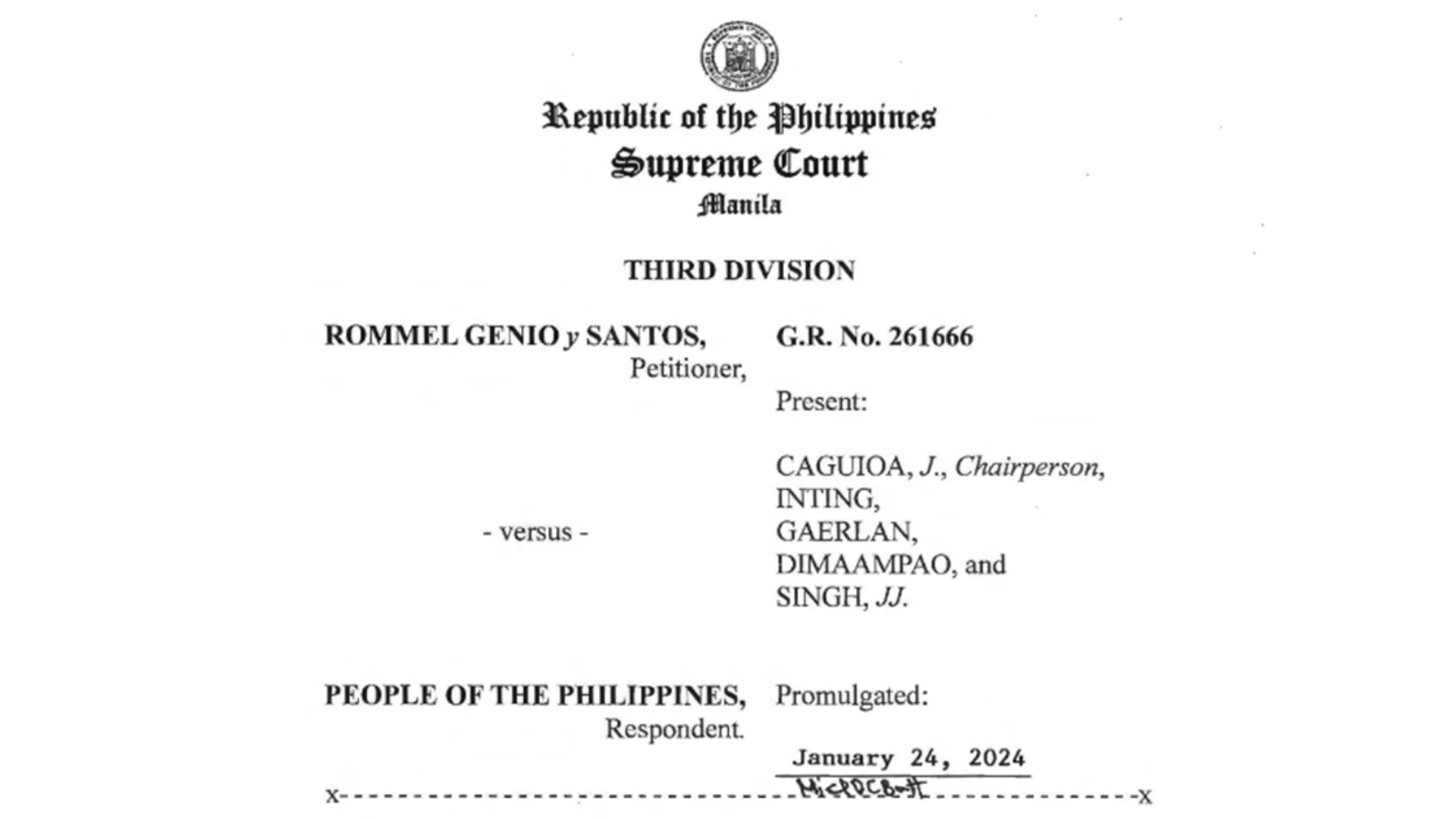
To overcome this, you need clear and convincing evidence, not just suspicion or recollection. In Genio v. People, for instance, the Supreme Court stressed that a marriage certificate, as a public document, enjoys a presumption of correctness.
In practice, evidence often combines your testimony with other witnesses and official records that contradict what the certificate claims.
For example, if the certificate lists a particular mayor or judge, but that official can certify that they never conducted such a ceremony, or if logs and records show they were elsewhere at the time, this can support your claim.
Similarly, evidence that witnesses never actually attended any ceremony, or that signatures were forged or obtained under false pretenses, can help establish that the required ceremony never took place.
Useful types of evidence in “no ceremony” cases:
-
- Testimony of the parties showing that they were abroad or that the ceremony could not have occurred if the PSA marriage certificate really is erroneous and they had nothing to do with the false marriage certificate. If they had something to do with the fake marriage, then it may be best to consult with counsel to avoid falsification charges, or other unintended consequences.
- Testimony or certifications from the supposed solemnizing officer (judge, mayor, priest) denying that they conducted the ceremony listed in the certificate if somehow the marriage certificate named them but they never actually conducted the ceremony.
- Witness statements from people named as witnesses in the certificate stating they did not attend any ceremony.
- Civil registrar records showing irregularities in the issuance of a marriage license or lack of entries consistent with the certificate.
- Travel or employment records indicating that one of the parties or the supposed officiant was elsewhere at the time of the alleged ceremony.
Action: As early as possible, write down your recollection while it is still fresh and start identifying potential witnesses and documents; your lawyer can then turn these into a coherent evidentiary plan.
 Philippine cases show no ceremony makes marriage void.
Philippine jurisprudence has dealt with a number of cases where the validity of a marriage was questioned because of issues with the ceremony, or total lack of it.
Understanding the broad direction of these cases helps lay people appreciate how seriously courts take the formal requirements of marriage.
- Morigo v. People (G.R. No. 145226, 6 February 2004)
- The parties merely signed a marriage contract without any marriage ceremony performed by a duly authorized solemnizing officer. (Lawphil)
- The Court held there was no valid first marriage to speak of, so the element of a prior subsisting marriage in bigamy was not met.
- Takeaway: A purely paper marriage with no real ceremony can be treated as a fictitious marriage, though later cases focus heavily on the presence of a recorded certificate and the need for direct actions to nullify. (Philippine Family Law perspectives)
- Genio v. People (G.R. No. 261666, 24 January 2024)
- The accused was charged with bigamy for a second marriage; he argued that the second marriage lacked a valid ceremony and was officiated by someone without authority. (Lawphil)
- The Supreme Court ultimately acquitted him of bigamy on reasonable doubt but convicted him under Article 350 (marriages against provisions of law), emphasizing both the presumption in favor of the marriage certificate and the possibility of rebutting that presumption with strong evidence. (Lawphil)
- Takeaway: Courts may recognize the defense that a marriage is void for lack of ceremony or authority, but this requires persuasive proof and does not always shield a person from all criminal liability.
- Go-Bangayan v. Bangayan (G.R. No. 201061, 3 July 2013)
- The Court dealt with a fictitious marriage evidenced by an unregistered marriage contract and discussed when direct actions to nullify such marriages are appropriate and how the presumption of validity arises (or does not arise) from registration. (Philippine Family Law perspectives)
- Takeaway: Registration, or lack of it, affects the strength of the presumption that a ceremony actually took place and whether a direct court action is needed to attack the marriage.
Action: Use these cases as guideposts, but do not self-diagnose your situation based on headlines; have a lawyer compare your facts carefully with the jurisprudence to see how a court is likely to apply these doctrines to you.
Philippine law bars proxy marriages.
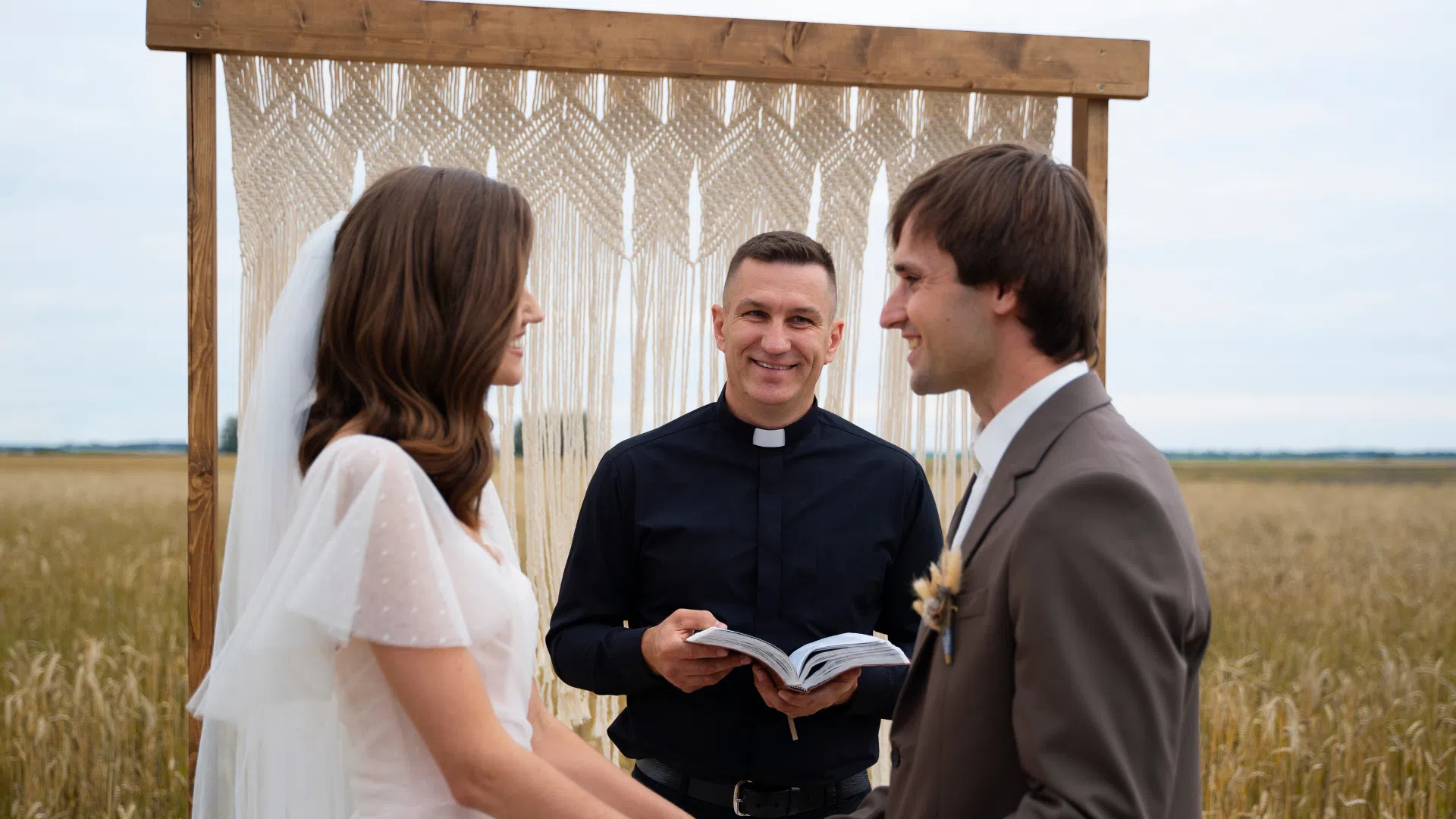
A proxy marriage is one where one or both parties are represented by another person (a proxy) during the ceremony.
Under Philippine law, a domestic proxy marriage—one celebrated as if it took place in the Philippines without the personal appearance of both parties—is not valid because the Family Code explicitly requires both contracting parties to personally appear before the solemnizing officer and declare their consent.
However, the Family Code also provides that marriages solemnized abroad which are valid under the laws of the place where they were celebrated are generally valid in the Philippines.
Some foreign jurisdictions allow proxy marriages (for example, certain U.S. states).
Legal writers and Philippine practice have recognized that proxy marriages validly celebrated abroad and then duly registered may be recognized here, as long as they are not struck down for being contrary to Philippine public policy.
At the same time, the Philippines is a party to the UN Convention on Consent to Marriage, Minimum Age for Marriage and Registration of Marriages, which allows proxy marriages within limits but also stresses the importance of free and full consent.
- Things to remember about proxy marriages:
- Proxy marriages cannot be celebrated as valid marriages in the Philippines itself because our law requires personal appearance of both parties.
- A proxy marriage valid where celebrated abroad may be recognized here, but the details are fact-sensitive and still not comprehensively settled by the Supreme Court.
- Philippine consulates have, in practice, recorded some foreign proxy marriages, but this does not automatically mean all such marriages will be upheld in every situation.
- Public policy arguments cut both ways: on one hand, the State favors marriage and family; on the other, it wishes to prevent abuse of marriage formalities and protect consent.
Action: If you are relying on a foreign proxy marriage (or are worried that someone used such a marriage to claim rights against you), consult a lawyer who can review the foreign law, the place of celebration, and the manner of registration in the Philippines.
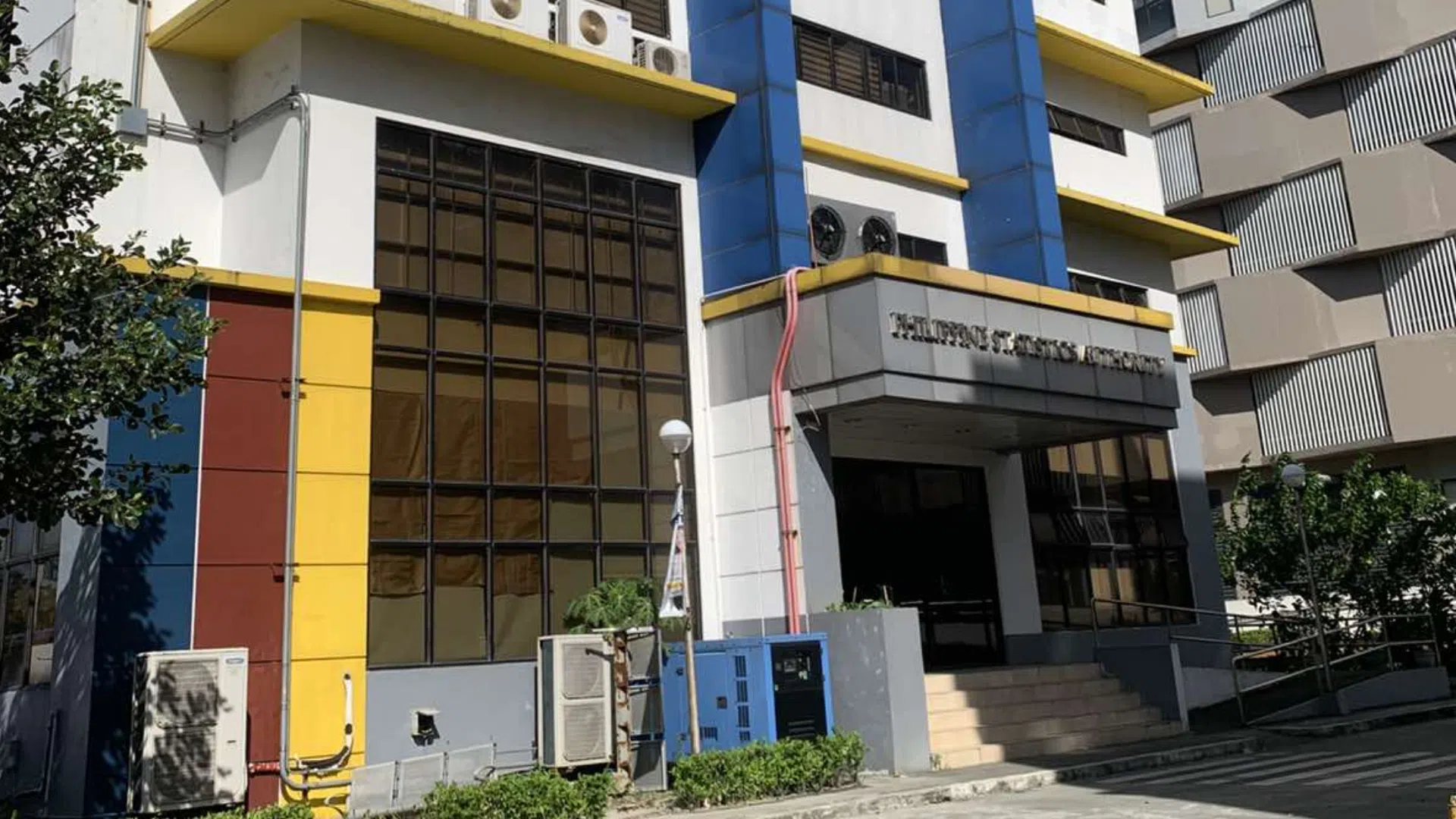
PSA records presume marriage valid and without ceremony court nullity is needed to correct status.
Knowing the law is important, but so is knowing what to exactly to do about it.
The most practical steps usually involve clarifying your records, preserving evidence, and planning a strategy with legal counsel.
- Practical next steps:
- Secure PSA records. Get your PSA marriage certificate, CENOMAR, and related civil registry documents so you can see exactly what is on record.
- Write down your story in detail. Include who was present, where you were on the date stated, what you signed, and anything you were told about the procedure.
- Collect supporting documents. Messages, emails, travel records, receipts, and any papers related to the supposed marriage or to the processing of your documents.
- Identify possible witnesses. People who were with you on the supposed wedding date, or those named as witnesses or solemnizing officers on the certificate.
- Consult a lawyer for risk mapping. Discuss whether you plan to remarry, migrate, or dispose of property so your lawyer can recommend whether a nullity case is urgent or simply advisable.
Action: Before confronting the other party, posting on social media, or trying to marry again, quietly gather your documents and get a legal opinion; in sensitive family matters, a calm, well-planned legal approach is almost always safer.